Klara Perry · 14 September 2026
Student Expeditions and Genetic Sequencing Illuminate Coral Ecosystems Along Polish Coastal Docks
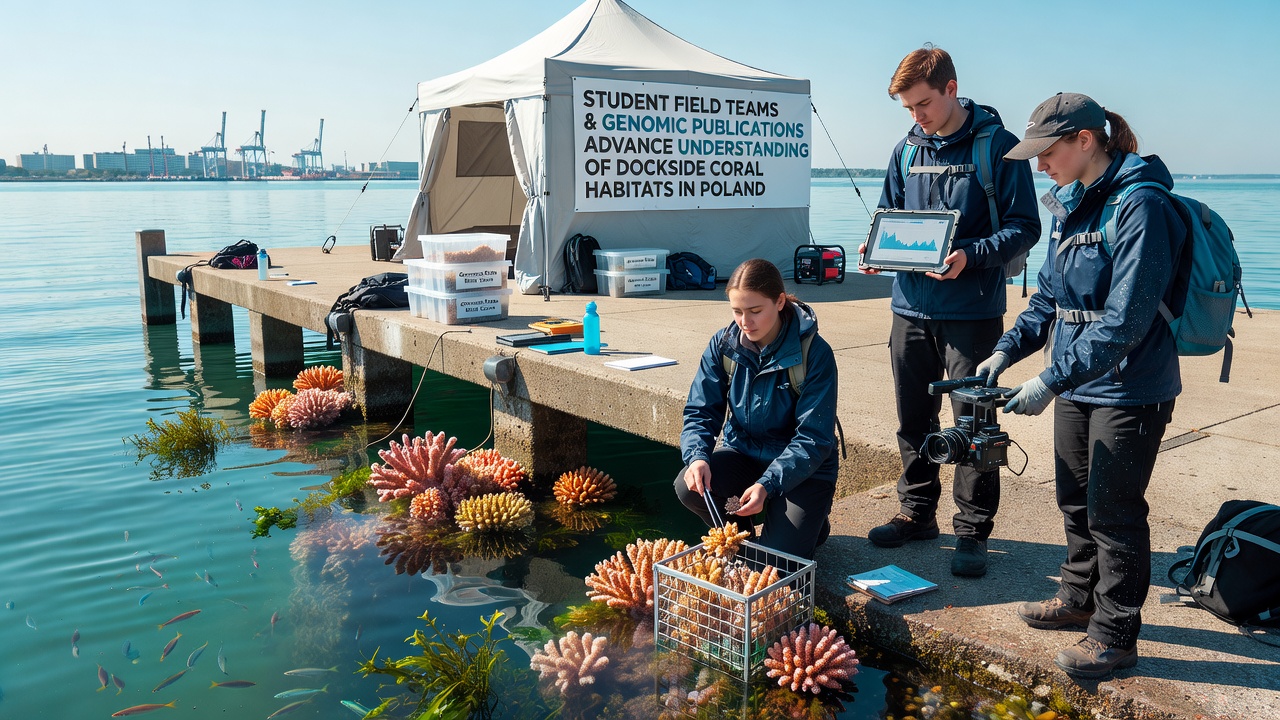
University programs across Poland have deployed student field teams to study coral habitats situated near dock facilities, where these groups collect water samples, sediment cores, and tissue specimens that feed directly into genomic sequencing projects. The work focuses on Baltic-adjacent sites where researchers document species composition, temperature fluctuations, and microbial interactions while maintaining strict protocols that align with European marine monitoring standards. Data gathered during these expeditions contribute to peer-reviewed publications that detail genetic markers linked to resilience and adaptation in dockside environments.
Field Operations Conducted by Student Teams
Teams from institutions such as the University of Gdańsk and the Polish Academy of Sciences operate seasonal surveys that begin in spring and extend through late autumn, recording parameters including pH levels, dissolved oxygen, and light penetration at fixed transects. Students trained in SCUBA techniques and remote sensing methods deploy sensors that transmit real-time readings to central databases, allowing immediate cross-referencing with historical records maintained by the European Environment Agency. These expeditions emphasize repeatable protocols so that subsequent cohorts can build longitudinal datasets without introducing methodological drift.
Training modules cover species identification, sterile sampling procedures, and ethical handling of protected marine organisms, with supervisors verifying each step before samples move to laboratory facilities. The emphasis on hands-on participation means undergraduates often lead segments of the work, gaining experience that prepares them for advanced research roles while simultaneously expanding the geographic coverage of the monitoring network.
Genomic Publications Emerging from the Data
Sequencing efforts have produced multiple papers that map mitochondrial and nuclear genomes of dominant coral species found at the dockside locations, revealing previously undocumented haplotypes associated with local temperature ranges. Researchers publish these findings in journals focused on marine genomics, citing accession numbers deposited in public repositories so that international teams can integrate the Polish sequences into broader comparative studies. The publications also describe microbial community shifts detected through metagenomic analysis, linking changes in bacterial diversity to nutrient inputs from harbor activities.
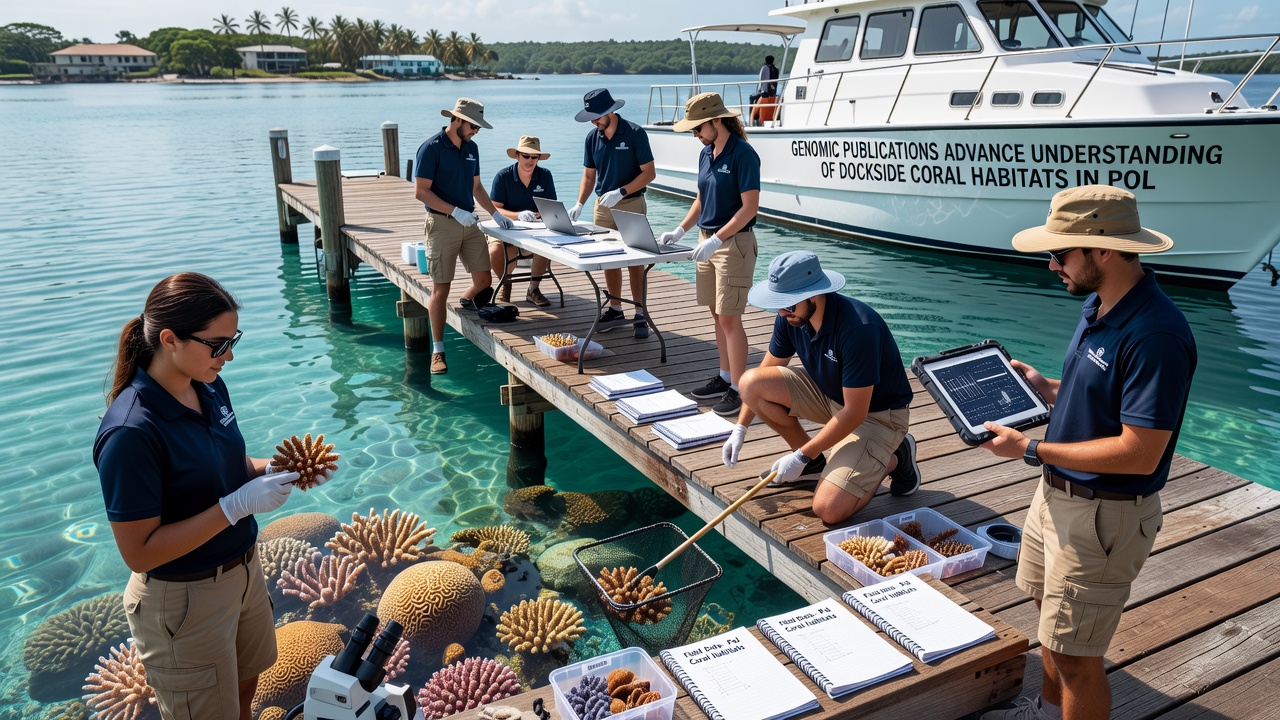
One notable series of studies released in 2025 examined gene expression patterns under varying salinity conditions, providing baseline measurements that researchers now compare against new collections scheduled for release in September 2026. These upcoming datasets will incorporate expanded sampling from additional dock facilities, increasing the resolution of spatial models that predict how coral populations might respond to future environmental pressures. Collaboration with laboratories in Canada has introduced standardized bioinformatic pipelines that reduce variability across different sequencing platforms.
Integration of Fieldwork and Laboratory Findings
Genomic results feed back into field planning when researchers identify genetic variants that correlate with specific microhabitats, prompting targeted surveys at those locations during teh next expedition cycle. This iterative loop strengthens the overall dataset because each round of sequencing informs the placement of new sensors and the selection of additional tissue types for analysis. Observers note that the approach has accelerated the identification of indicator species whose presence or absence signals shifts in water quality around dock infrastructure.
Public databases maintained by the project allow external analysts to query both raw sequence reads and associated environmental metadata, supporting meta-analyses that span multiple European marine regions. The open-access model aligns with directives from the European Commission on marine data sharing, ensuring that findings from Polish dockside sites contribute to continent-wide assessments of coastal biodiversity.
Future Data Releases and Ongoing Monitoring
Plans for September 2026 include the publication of a comprehensive genomic atlas covering all sampled dockside habitats, accompanied by updated distribution maps generated from student-collected coordinates. These materials will undergo independent review by panels that include representatives from the Australian Institute of Marine Science, adding an external quality-control layer to the Polish-led effort. Continued student involvement remains central to the timeline, with new cohorts scheduled to repeat and expand the original transects using refined collection methods developed from earlier genomic insights.
Conclusion
The combination of structured student fieldwork and systematic genomic analysis has produced a growing body of evidence that documents coral habitat characteristics at Polish dockside locations. Publications and databases emerging from this work supply reference points for ongoing monitoring programs, while the open structure of the project supports integration with broader European and international research efforts. As additional datasets become available in 2026, the accumulated information will continue to refine understanding of these specialized marine environments.