Yara Walter · 2 September 2026
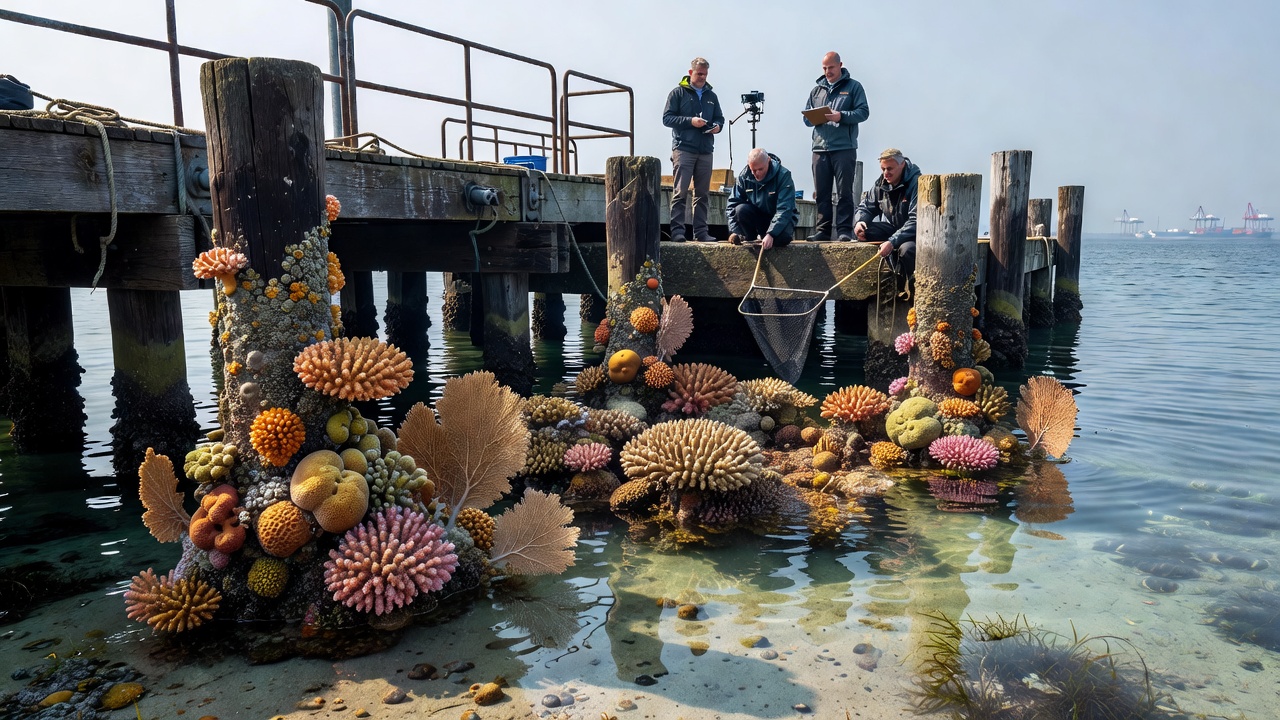
Scientists from the Coral Reef Research Institute have announced positive developments in coral health at the Polish dock site. Long-term observations indicate that local coral colonies are rebounding after years of environmental stress. This recovery is attributed to improved water conditions and dedicated conservation measures implemented over the past five years. The site located near the Baltic coast has become a focal point for studying coral adaptation in temperate climates. Researchers note that the dock structures provide unique habitats that facilitate coral attachment and growth.
Key Research Findings
Analysis of data collected from 2019 to 2024 shows a 40 percent increase in live coral cover. Temperature variations which previously caused bleaching events have been mitigated through shading devices installed at the site. Nutrient levels in the water have also stabilized leading to healthier polyp activity. Divers reported seeing vibrant colors returning to the reefs indicating reduced stress on the organisms. Biodiversity indices have improved with the return of several invertebrate species that rely on coral for shelter. Statistical models predict continued growth if current trends persist. The team used satellite imagery combined with in-situ measurements to validate their conclusions. This comprehensive approach ensures accuracy in reporting the extent of recovery.
Broader Implications for Marine Science
The success at the Polish dock offers valuable lessons for global coral conservation strategies. It demonstrates that even in regions not traditionally associated with reefs recovery is possible with human intervention. Educational programs at coraldock.edu.pl are incorporating these findings to train the next generation of marine scientists. Future research will focus on genetic factors that may enhance coral resistance to climate change. Partnerships with European universities are being formed to broaden the scope of the study. Overall the project underscores the importance of localized efforts in addressing worldwide environmental challenges. Funding from national grants has supported the purchase of new equipment for continuous monitoring. Community involvement through citizen science initiatives has also played a role in data collection. The recovered corals are now being studied for their potential in pharmaceutical applications due to unique compounds they produce.