Carlo Wolf · 28 September 2026
Genomic Sequencing Along Polish Dock Bridges Maps Pollution Levels Against Temperature Resilience Metrics
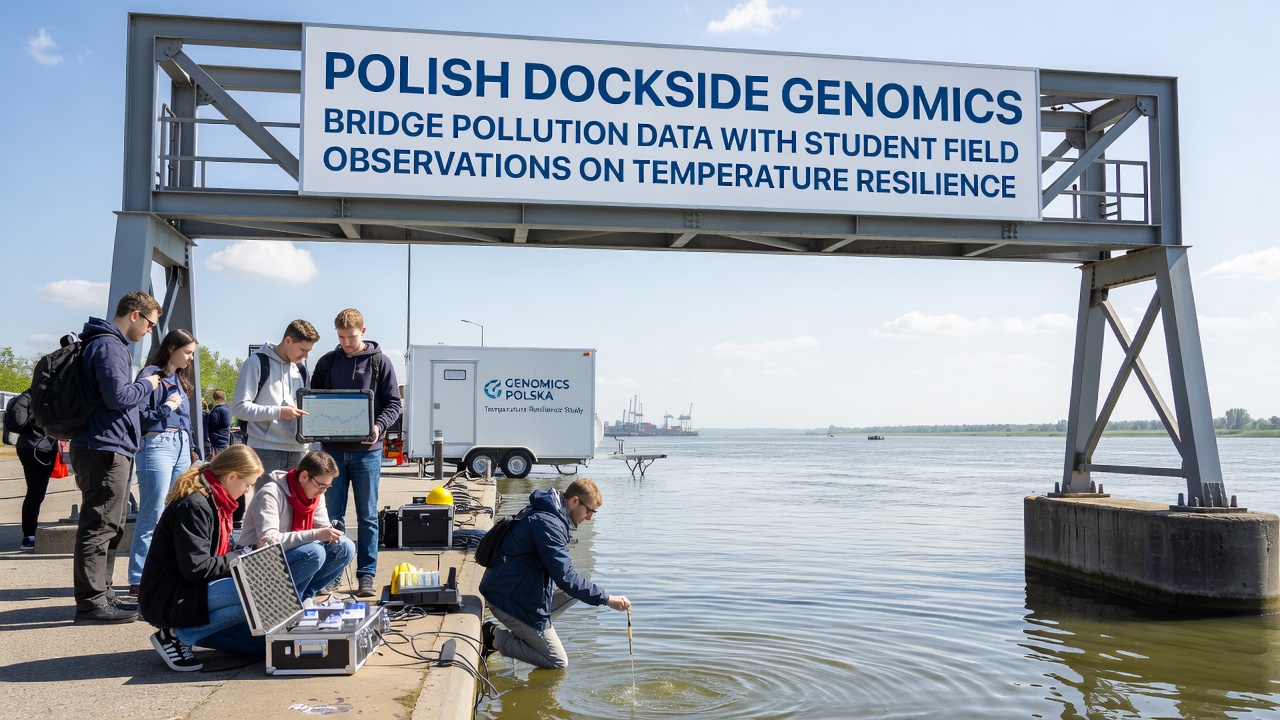
Researchers at Polish coastal facilities have integrated genomic sequencing with bridge pollution monitoring, and the approach combines water chemistry readings with DNA analysis from local aquatic species. Data collection focuses on sites where industrial runoff meets harbor structures, while student teams track how temperature shifts affect organism responses in those same zones.
Project Setup at Dockside Locations
Teams established sampling stations at multiple bridge crossings along the Polish coastline, and each station records heavy metal concentrations alongside nutrient loads that enter the water column. Genomic libraries built from filtered water and tissue samples reveal microbial community shifts that correlate with those chemical signatures, and the process allows direct comparison between pollution gradients and genetic markers of stress.
Equipment deployed includes automated sensors that log temperature every fifteen minutes, while periodic grabs supply material for whole-genome sequencing of dominant fish and invertebrate species. Results feed into shared databases that students access during field courses, and the setup creates a continuous record spanning several seasons.
Pollution Data Patterns and Genomic Correlations
Measurements from 2024 through 2025 show elevated zinc and copper levels near older bridge pilings, and these spikes align with reduced diversity in bacterial taxa that normally break down organic matter. Genomic reads indicate upregulation of metal-resistance genes in surviving populations, whereas sites farther from bridge infrastructure display broader microbial profiles and lower resistance gene abundance.
Figures released by the European Environment Agency document similar metal patterns in other Baltic harbors, and the Polish datasets add finer spatial resolution around individual bridge structures. Observers note that seasonal runoff events amplify these concentrations, which in turn compress the window during which sensitive species can maintain stable gene expression.
Student Field Observations on Temperature Resilience
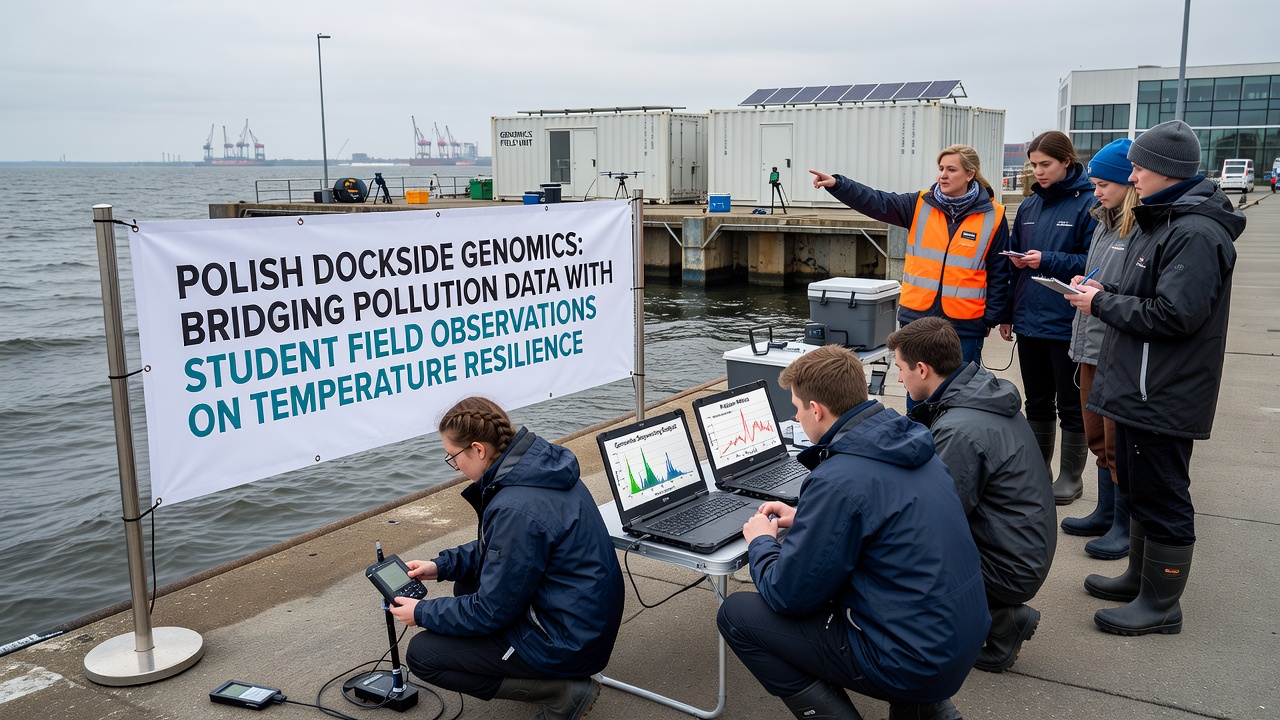
Undergraduate and graduate participants log daily temperature profiles while conducting transects that extend from bridge shadows into open water, and they pair each reading with tissue samples from resident species. Early outputs indicate that individuals from warmer microhabitats near concrete structures maintain higher expression of heat-shock proteins even when ambient temperatures drop, whereas conspecifics from cooler reference areas show more variable responses.
One cohort completed a six-week campaign in late summer 2025 that captured a sudden warm-water intrusion, and the genomic snapshots taken before and after the event documented rapid shifts in allele frequencies linked to thermal tolerance. Those same students compiled metadata that now supports modeling exercises predicting how future temperature extremes could interact with existing pollution loads.
Integration of Datasets and Upcoming Milestones
Combined pollution and genomic matrices undergo regular updates through a central repository hosted by the dock research network, and analysts apply multivariate statistics to isolate temperature effects from chemical stressors. Preliminary models suggest that chronic metal exposure narrows the thermal performance breadth of several key species, which aligns with laboratory studies conducted at partner institutions across the EU.
Presentations scheduled for September 2026 will feature expanded time-series that incorporate two additional bridge sites, and the sessions will compare Polish findings with parallel work underway in Scandinavian ports. Researchers expect the expanded coverage to clarify whether observed resilience patterns generalize beyond the initial sampling grid.
Conclusion
The Polish dockside genomics effort supplies a growing record that links measured pollution loads at bridge locations with genomic indicators of temperature resilience, and student contributions continue to refine both sampling protocols and data interpretation. Continued monitoring through 2026 and beyond will test whether current patterns hold under changing climate conditions while maintaining the same spatial focus on harbor infrastructure.